
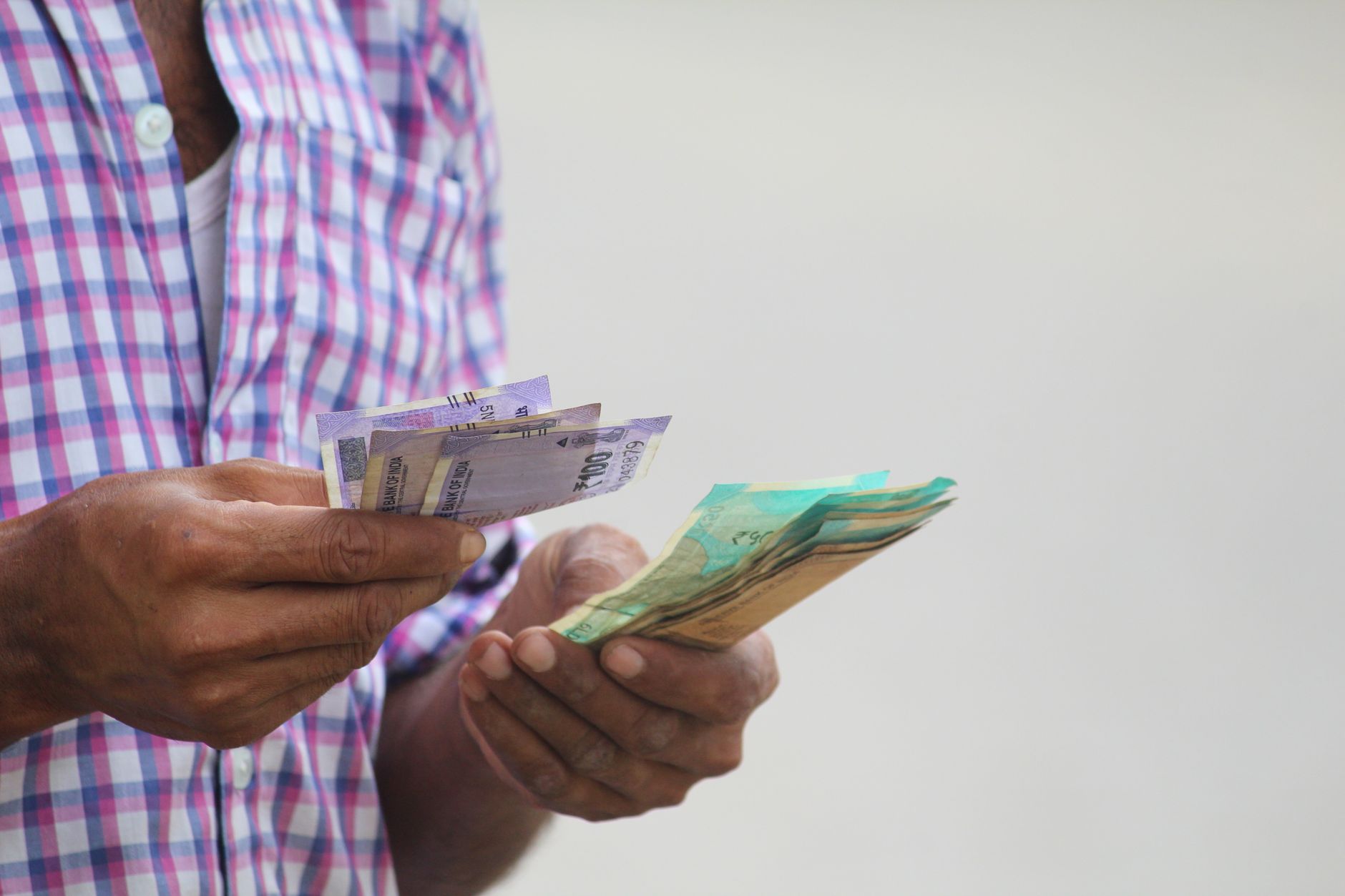
Current account surplus: What is the best way to interpret it?
The current account surplus reached $7.1 billion in India during the January-March quarter of 2025-26, indicating a positive shift in the nation’s economic landscape.
Understanding Current Account Surplus
The concept of a current account surplus is crucial for understanding a country’s economic health. It indicates that a nation is exporting more goods, services, and capital than it is importing, leading to a net inflow of foreign currency. This situation can provide insights into the overall balance of trade and economic stability.
In the recent report, India recorded a current account surplus of $7.1 billion for the January-March quarter of 2025-26. This figure is significant as it reflects the country’s strong export performance and robust remittances, which have bolstered its economic position.
Interpreting a current account surplus can reveal several key aspects:
- Economic Confidence: A surplus may indicate strong domestic industries capable of competing globally.
- Currency Strength: Surplus countries often witness appreciation in their currency, making imports cheaper.
- Foreign Investments: A current account surplus can attract foreign investments, further enhancing economic growth.
However, it is essential to consider the long-term implications, as sustained surpluses can lead to trade tensions with other nations, prompting calls for policy adjustments.
Economic Implications of Surplus
The recent report of India’s current account surplus of $7.1 billion in the January-March quarter of 2025-26 has significant economic implications. A current account surplus occurs when a country’s exports of goods, services, and transfers exceed its imports. This situation reflects a robust economic performance and can influence various aspects of the economy.
One major implication of a current account surplus is the strengthening of the national currency. A surplus indicates that foreign buyers are purchasing more domestic goods and services, leading to increased demand for the currency. This can enhance purchasing power abroad, making imports cheaper for consumers.
Additionally, a current account surplus can provide a buffer against external shocks. Countries with a surplus are less reliant on foreign capital, which can help stabilize the economy during global downturns. It can also foster greater investment in domestic industries, supporting job creation and innovation.
However, it is essential to interpret a current account surplus with caution. A prolonged surplus may indicate a lack of domestic consumption or investment, which could hamper long-term growth. Therefore, while a current account surplus presents positive short-term indicators, it is crucial to balance it with sustainable economic strategies.
How Surplus Affects Currency Value
The current account surplus plays a significant role in shaping a country’s currency value. When a nation experiences a surplus, it indicates that it is exporting more goods and services than it is importing, leading to an inflow of foreign currency. This increased demand for the domestic currency can strengthen its value in the global market.
Several factors contribute to how a surplus affects currency values:
- Investor Confidence: A consistent current account surplus can enhance investor confidence, attracting foreign investments and further bolstering the currency.
- Inflation Control: A stronger currency resulting from a surplus can help keep inflation in check, as imported goods become cheaper, stabilizing prices for consumers.
- Interest Rates: Central banks may adjust interest rates in response to a current account surplus, as a stronger currency can influence monetary policy decisions.
However, it is essential to consider the broader economic context. A current account surplus, while generally viewed as positive, can also lead to trade tensions if other countries perceive it as unfair competition. Thus, interpreting the effects of a current account surplus on currency value requires a nuanced understanding of both domestic and global economic dynamics.
Comparative Analysis with Previous Quarters
The current account surplus reported by India, amounting to $7.1 billion in the January-March quarter of 2025-26, marks a significant shift when compared to previous quarters. Analyzing this surplus reveals various trends and patterns that are critical for understanding the broader economic landscape.
In the earlier quarters of the fiscal year, India faced challenges that led to fluctuations in its current account balance. The previous quarter, for instance, reported a deficit of $3.2 billion, attributed to increased imports and reduced exports. Such discrepancies highlight the volatility that can affect a nation’s trade dynamics.
When comparing these figures:
- Q2 2024-25: Current account deficit of $2.5 billion, driven by rising oil prices.
- Q3 2024-25: Slight improvement with a deficit of $1.0 billion as exports began to recover.
- Q4 2024-25: Transition to a surplus of $1.9 billion, indicating a positive trend.
This contrast in performance underscores the importance of monitoring the current account surplus, as it can serve as a barometer for economic health and trade competitiveness.
Expert Opinions on India’s Surplus
Experts have varied interpretations of India’s current account surplus, particularly in light of the recent report indicating a surplus of $7.1 billion for the January-March quarter of 2025-26. Some economists view this surplus as a sign of economic resilience, suggesting that it reflects a stronger export performance and more disciplined import levels.
Dr. Anjali Mehta, a leading economist at the National Institute of Economic Research, stated, “A current account surplus can indicate that a country is generating more income from its exports than it spends on imports. This is a positive indicator of economic health.”
Conversely, Mr. Rajesh Kumar, a financial analyst, cautioned against over-optimism. He noted, “While a current account surplus is beneficial, it could also signal reduced domestic demand or a slowdown in growth. It’s essential to consider the broader economic context.”
Moreover, Dr. Sita Nair highlighted the importance of sustainable growth: “A current account surplus should not only be viewed in isolation. We need to ensure that it is accompanied by investment in infrastructure and human capital to maintain long-term economic stability.”
Overall, expert opinions suggest that while the current account surplus is a positive development, it should be interpreted with caution and in conjunction with other economic indicators.
Future Projections for India’s Economy
As India navigates its economic landscape, future projections indicate a promising trajectory bolstered by the recent current account surplus. Analysts predict that maintaining a surplus could enhance the country’s financial stability, thereby attracting more foreign investment.
Key factors that may influence India’s economy in the upcoming years include:
- Export Growth: A sustained increase in exports could further amplify the current account surplus, providing a robust cushion against global economic fluctuations.
- Import Trends: Monitoring import levels, especially in essential commodities, will be critical. A balanced approach can help maintain a favorable current account position.
- Global Economic Conditions: The international market’s performance, particularly in major trading partners, will play a significant role in shaping India’s current account dynamics.
- Policy Changes: Government initiatives aimed at boosting local production and enhancing export capabilities are expected to positively impact the surplus.
In the context of the reported current account surplus of $7.1 billion for the January-March quarter of 2025-26, these factors suggest that India is poised for sustained economic growth, provided that strategic measures are enacted.
Key Factors Influencing Current Account
The current account surplus is influenced by several key factors that shape a nation’s economic landscape. Understanding these factors can provide valuable insights into the sustainability and implications of a surplus.
- Trade Balance: A primary contributor to the current account surplus is the balance between exports and imports. When a country exports more than it imports, it generates a surplus that strengthens its current account.
- Foreign Investment: Inflows of foreign direct investment (FDI) can positively impact the current account. Increased investment often leads to higher production and export capabilities.
- Remittances: Money sent back home by citizens working abroad can significantly enhance the current account. These remittances contribute positively to the overall balance.
- Exchange Rates: Fluctuations in currency value can affect the competitiveness of a country’s exports. A weaker currency may boost exports, further increasing the current account surplus.
- Economic Policies: Government policies aimed at fostering export growth and controlling imports play a crucial role in determining the current account surplus. Effective trade agreements and tariffs can influence this balance.
By examining these factors, analysts can better interpret the implications of a current account surplus and its potential impact on the economy.
Photo by Moon Bhuyan on Pexels
References
