
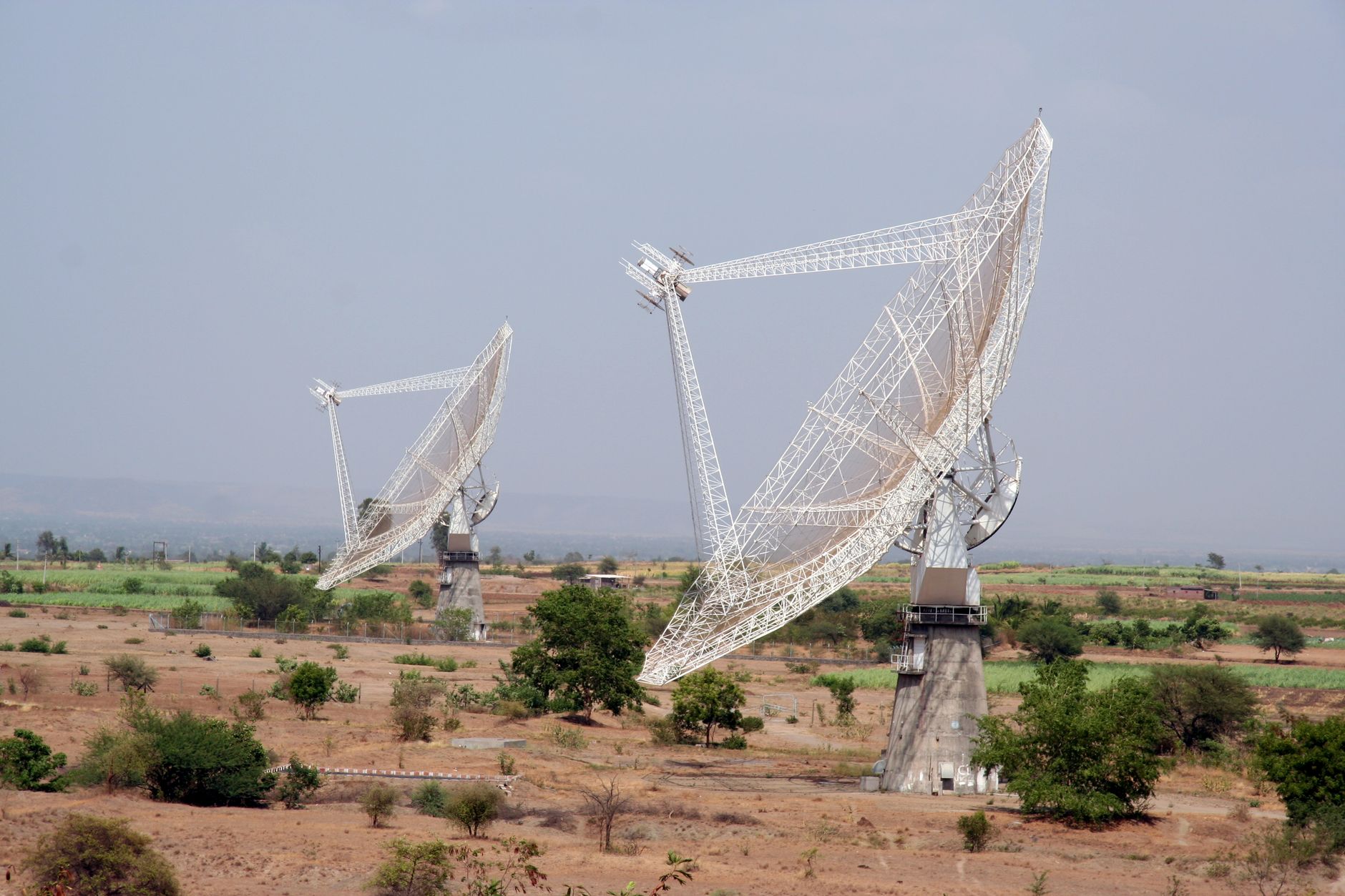
India’s first geosynchronous satellite is a proven success
India’s first geosynchronous satellite has been successfully deployed into orbit, marking a historic achievement for ISRO and the nation’s space program.
Overview of EOS-05
The successful deployment of India’s first geosynchronous satellite, EOS-05, marks a significant milestone in the country’s space exploration efforts. Launched by the Indian Space Research Organisation (ISRO), this satellite is designed to enhance the capabilities of earth observation from a geostationary orbit.
EOS-05 is equipped with advanced imaging technology that allows for high-resolution data capture, which is crucial for various applications including:
- Weather forecasting: The satellite will provide real-time data to improve meteorological services.
- Agricultural monitoring: It can help in tracking crop health and land use changes, thereby supporting better food security.
- Disaster management: EOS-05 will aid in monitoring natural disasters, enabling timely responses and effective planning.
- Environment monitoring: The satellite will contribute to tracking environmental changes and pollution levels.
This geosynchronous satellite operates at an altitude of approximately 36,000 kilometers, allowing it to maintain a constant position relative to the Earth’s surface. The successful launch and deployment of EOS-05 demonstrate India’s growing capabilities in space technology and its commitment to utilizing this technology for national development.
Overall, the introduction of India’s first geosynchronous satellite is expected to significantly enhance the nation’s observational capacity and support various sectors that rely on accurate and timely data.
Significance of India’s first geosynchronous satellite
The successful deployment of India’s first geosynchronous satellite, EOS-05, marks a significant milestone for the Indian Space Research Organisation (ISRO) and the nation’s capabilities in space technology.
This satellite is poised to transform various sectors, offering enhanced imaging capabilities that are vital for monitoring the environment, agriculture, and disaster management. The importance of such technology cannot be overstated, as it provides real-time data that can aid in timely decision-making.
Key benefits of the satellite include:
- Improved Weather Forecasting: EOS-05 can provide advanced meteorological data, assisting in accurate weather predictions.
- Agricultural Support: It will enable better crop monitoring and management, leading to increased agricultural productivity.
- Disaster Management: The satellite’s imaging capabilities will be invaluable in assessing damage and coordinating response efforts during natural disasters.
- Urban Planning: High-resolution imagery from EOS-05 will aid in effective urban planning and infrastructure development.
Overall, India’s first geosynchronous satellite represents not just a technological achievement but also a step forward in empowering the country with critical tools for sustainable development and enhanced quality of life.
ISRO’s achievements in space exploration
The Indian Space Research Organisation (ISRO) has made significant strides in space exploration, especially with the successful deployment of India’s first geosynchronous satellite, EOS-05. This satellite is designed to enhance the country’s capabilities in Earth observation and monitoring.
ISRO’s achievements in launching satellites have been pivotal for various sectors, including agriculture, weather forecasting, and urban planning. The organization has consistently demonstrated its commitment to advancing satellite technology and expanding its reach into geosynchronous orbits.
- Innovative Launch Vehicles: ISRO has developed a range of launch vehicles, such as the PSLV and GSLV, which have enabled multiple satellite launches, including EOS-05.
- International Collaborations: The organization has partnered with various countries and agencies, facilitating knowledge exchange and joint missions that further enhance its capabilities.
- Cost-Effective Solutions: ISRO is known for its cost-effective satellite missions, making space exploration accessible and sustainable.
With the successful deployment of India’s first geosynchronous satellite, ISRO not only reinforces its position as a leader in space technology but also paves the way for future innovations in satellite communication and Earth observation. This milestone marks a new chapter in India’s journey into space, showcasing the nation’s growing technical prowess and ambition.
How EOS-05 enhances imaging capabilities
The successful deployment of India’s first geosynchronous satellite, EOS-05, marks a significant milestone in the country’s space exploration efforts. This satellite is poised to enhance imaging capabilities dramatically, providing critical data for a variety of applications.
One of the standout features of EOS-05 is its ability to capture high-resolution images of the Earth’s surface. This is crucial for:
- Agricultural Monitoring: Farmers can benefit from timely information on crop health and soil conditions.
- Disaster Management: Real-time imaging aids in assessing damage from natural disasters, enabling quicker response times.
- Urban Planning: City planners can utilize detailed images for better infrastructure development and management.
- Environmental Monitoring: Continuous observation helps in tracking changes in land use and vegetation cover, contributing to conservation efforts.
Moreover, EOS-05 operates in a geosynchronous orbit, allowing it to maintain a constant view of specific geographical areas. This advantage ensures that the satellite can provide persistent monitoring, which is invaluable for decision-makers in various sectors.
In conclusion, India’s first geosynchronous satellite, EOS-05, is not just a technological achievement; it is a vital tool that enhances the country’s capabilities in imaging and data collection, paving the way for informed decisions across multiple domains.
Future missions planned by ISRO
The successful deployment of India’s first geosynchronous satellite, EOS-05, marks a significant milestone in the Indian Space Research Organisation’s (ISRO) journey towards advanced space exploration. With this accomplishment, ISRO has outlined several future missions aimed at further enhancing India’s capabilities in satellite technology and earth observation.
ISRO plans to expand its portfolio by launching a series of next-generation satellites that will focus on various applications, including:
- Weather forecasting: Enhanced meteorological satellites to improve accuracy in weather predictions.
- Agricultural monitoring: Satellites that provide real-time data on crop health and yield estimates.
- Urban planning: Geospatial data from satellites to aid in infrastructure development and smart city initiatives.
- Disaster management: Systems to monitor natural disasters and provide timely alerts to minimize impact.
- Environmental monitoring: Satellites that track changes in land use, pollution levels, and climate change impacts.
India’s first geosynchronous satellite will serve as a foundation for these upcoming missions, enabling advancements in imaging capabilities and contributing valuable data to various sectors. As ISRO continues to innovate and expand its satellite missions, the future of space exploration in India looks promising.
Technical specifications of EOS-05
The EOS-05, India’s first geosynchronous satellite, boasts a range of impressive technical specifications that enhance its capabilities for Earth observation. Launched by the Indian Space Research Organisation (ISRO), this satellite is designed to operate in a geosynchronous orbit, allowing it to maintain a constant position relative to the Earth’s surface.
Key specifications of the EOS-05 include:
- Orbit Type: Geosynchronous orbit, enabling consistent coverage over specific regions.
- Resolution: High-resolution imaging capabilities that can capture details as small as 5 meters.
- Payload: Advanced multispectral imaging sensors that provide data across different wavelengths.
- Data Transmission: High-bandwidth communication systems to ensure rapid data transfer back to ground stations.
- Power Source: Equipped with solar panels and battery systems to maintain energy efficiency and functionality.
- Operational Lifespan: Designed for a minimum operational life of 10 years, ensuring longevity and durability in space.
The successful deployment of EOS-05 not only showcases India’s advancements in satellite technology but also positions the nation as a key player in global space exploration. This geosynchronous satellite is set to significantly impact various sectors, including agriculture, urban planning, and disaster management.
Public reaction to the successful launch
The successful launch of India’s first geosynchronous satellite, EOS-05, has sparked an outpouring of excitement and pride among the Indian public. Citizens are expressing their admiration for the Indian Space Research Organisation (ISRO) and its relentless pursuit of space exploration.
Social media platforms have been flooded with congratulatory messages and enthusiastic posts celebrating this significant achievement. Many users have taken to Twitter, sharing their thoughts on how this milestone not only enhances India’s capabilities in space but also elevates the nation’s standing in the global arena of satellite technology.
Some public responses include:
- Amit Kumar tweeted, “Proud moment for India! EOS-05 is a game changer for us in satellite imaging.”
- Riya Sharma commented, “ISRO continues to make us proud. Can’t wait to see the advancements this satellite will bring!”
- Vikram Singh expressed, “This is just the beginning; excited for what the future holds with India’s first geosynchronous satellite!”
Moreover, experts and analysts have weighed in on the implications of EOS-05 for various sectors, including agriculture, disaster management, and urban planning. The collective sentiment reflects a renewed faith in India’s scientific capabilities and the potential for innovation that lies ahead.
Photo by Sachin Kumar Wadhwa on Pexels
References
Related stories
Current account surplus: What is the best way to interpret it? · How Digital Music Access Is Shaping Modern Listening Habits · House Cleaning Statistics: Key Trends, Benefits, and Modern Home Care Insights
