
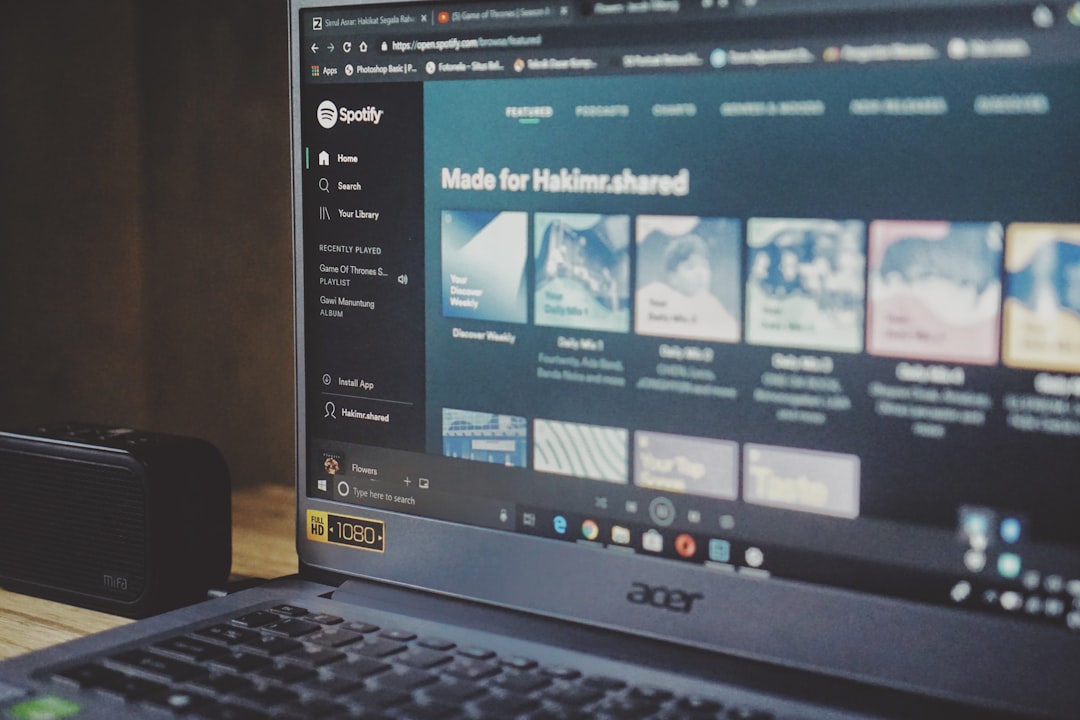
How Digital Music Access Is Shaping Modern Listening Habits
Digital music has become an essential part of everyday entertainment, giving listeners convenient ways to discover, organize, and enjoy songs across different devices. As listening habits continue to evolve, platforms that support listen and download music functions are attracting attention from people who value flexibility and easy access. Recent digital trends show that users increasingly expect music services to provide simple navigation, broad discovery options, and reliable playback experiences without unnecessary complexity.
Table of Contents
- The Growth of Digital Music Consumption
- Convenience Remains a Major Factor
- Music Discovery and User Engagement
- The Importance of Platform Usability
- Responsible Digital Music Access
- What Future Trends May Indicate
- Conclusion
The Growth of Digital Music Consumption
The way people experience music has changed significantly with the development of connected devices. Smartphones, tablets, computers, and portable audio systems have made music available in more situations than ever before. Instead of relying on a single listening environment, audiences can enjoy songs while commuting, working, exercising, studying, or relaxing at home.
This shift has also influenced expectations surrounding digital platforms. Users generally prefer services that are responsive, organized, and easy to understand. Clear categories, effective search functions, and straightforward controls can make the overall experience more enjoyable.
Convenience Remains a Major Factor
Convenience continues to influence digital entertainment choices. A well-designed music platform reduces the effort required to find preferred content and helps users move from discovery to listening with minimal interruption.
Download functionality can also support listeners who want access to music when an internet connection is unavailable or unreliable. Offline listening may be useful during travel, in areas with limited connectivity, or when users want to reduce dependence on continuous streaming. However, downloads should always involve music that is legally available for such use and respect the rights of artists, composers, producers, and copyright holders.
Music Discovery and User Engagement
Discovery is another important element of modern music consumption. People often encounter unfamiliar artists and genres through searches, recommendations, playlists, social conversations, and curated collections. A platform that makes exploration straightforward can encourage listeners to expand their musical interests.
Search behavior also provides useful insight into audience preferences. Popular searches can reveal interest in specific genres, moods, artists, themes, or listening occasions. Over time, these patterns can help explain how audiences respond to changing musical trends.
The Importance of Platform Usability
User experience plays a central role in determining whether visitors return to a digital music platform. Pages should load efficiently, menus should be understandable, and important functions should be easy to locate. A cluttered interface can make even a large music collection difficult to explore.
Mobile compatibility is equally important because smartphones remain central to digital entertainment. Responsive layouts allow users to browse and manage music comfortably across different screen sizes. Accessibility features, readable text, logical navigation, and consistent controls can further improve the experience for a wider audience.
Responsible Digital Music Access
Convenient music access should always be balanced with responsible digital practices. Copyright protection helps ensure that musicians and other creative professionals receive recognition for their work. Users should therefore consider licensing information and platform policies before downloading or sharing recordings.
Responsible access also contributes to a healthier digital music environment. When listeners use legitimate sources and respect creative ownership, artists can continue producing new material while audiences maintain access to diverse musical experiences.
What Future Trends May Indicate
The future of digital music is likely to focus on personalization, accessibility, seamless device integration, and smarter discovery. Listeners increasingly expect technology to understand their preferences while keeping controls simple and transparent.
As these expectations develop, music platforms will continue adapting their features around convenience and usability. The strongest services are likely to be those that combine efficient discovery with dependable listening options and responsible content practices.
Conclusion
Digital music has transformed how audiences discover and enjoy entertainment. Convenient access, effective search tools, mobile compatibility, offline capabilities, and responsible usage all contribute to a positive listening experience. As technology continues to influence musical habits, platforms that prioritize clarity, accessibility, and user-focused design can remain relevant in an increasingly connected digital environment.
The Short Version
- Digital music provides listeners with convenient ways to discover and organize songs across various devices.
- Users increasingly prefer music services that offer simple navigation, broad discovery options, and reliable playback experiences.
- Offline listening functionality is valuable for users in areas with limited connectivity or for those who want to reduce reliance on continuous streaming.
- Search behavior on music platforms reveals audience preferences and interests, which can highlight changing musical trends over time.
- Effective platform usability, including fast loading times and mobile compatibility, plays a crucial role in retaining visitors to digital music platforms.
- Responsible digital practices, including respect for copyright, ensure that artists receive recognition for their work and can continue producing new material.
